
What if the real enemy of your health is not visible to the naked eye?
Visceral fat hides between your organs and silently disrupts your metabolism, hormones, and heart.
The good news.
You can safely reduce it with a clear, measurable, and sustained plan.
In this article, you'll learn what visceral fat is, how to identify it, and why it's more dangerous than subcutaneous fat.
You'll see the principles that work in real life.
Smart calorie deficit, a combination of cardio, strength, and HIIT, and sleep that truly restores.
You'll also get practical nutrition guidance, hydration strategies, and digital tools to help you stay on track.
We combine advanced tactics, professional support, daily motivation, and mistakes you should avoid to stay ahead.
All with one goal.
Helping you gain metabolic health, energy, and quality of life without extreme shortcuts.
Visceral Fat Index Calculator
Why visceral fat is dangerous for your health
Visceral fat accumulates around internal organs such as the liver, pancreas, and intestines.
Unlike subcutaneous fat, it is not visible to the naked eye, but it can have a significant impact on the body.
This type of fat releases inflammatory substances that alter metabolism and increase the risk of chronic diseases.
- Increases cardiovascular risk.
Visceral fat is linked to hypertension, high cholesterol, and atherosclerosis.
These conditions increase the likelihood of suffering a heart attack or stroke. - Promotes insulin resistance.
Excess visceral fat interferes with the proper use of glucose.
This can lead to prediabetes and, over time, type 2 diabetes. - It generates hormonal imbalances.
Visceral fat alters the production of hormones related to appetite and energy storage.
This makes it difficult to maintain a healthy weight and increases feelings of fatigue.
Difference between subcutaneous fat and visceral fat
Although both serve the function of storing energy, their location and effects on health are very different.
- Subcutaneous fat.
It is found under the skin in areas such as the abdomen, thighs and buttocks.
It is the most visible and the one that is perceived when pinching the skin.
In excess, it can affect aesthetics, but it is not as dangerous as visceral fat. - Visceral fat.
It accumulates around internal organs and cannot be easily identified.
It is only detected through medical tests such as MRI or CT.
It is the most harmful because it alters vital functions and increases the risk of metabolic diseases.
Objective of the article: How to reduce visceral fat safely
The purpose of this article is to offer practical, science-backed strategies for reducing visceral fat.
Balanced eating habits, specific exercise routines, and lifestyle changes that promote safe and sustainable weight loss will be explained.
The focus is on achieving results that benefit long-term health, without resorting to extreme methods or quick fixes that can be harmful.
What is visceral fat and how to identify it?
Visceral fat is a type of adipose tissue found inside the abdomen.
Its main characteristic is that it surrounds vital organs and, therefore, has a direct impact on metabolic health.
Medical definition of visceral fat
From a medical point of view, visceral fat is intra-abdominal adipose tissue.
It differs from other fats because it is not located under the skin, but around internal organs such as the liver, stomach, and intestines.
Its initial function is to protect and cushion, but in excess it becomes a risk factor for cardiovascular and metabolic diseases.
Where visceral fat accumulates in the body
Visceral fat is concentrated in the abdominal cavity, especially in areas near the liver, pancreas, and kidneys.
This makes it more dangerous, as it can alter the functioning of these organs.
It is more common in people with abdominal obesity, which is reflected in a prominent and hard-to-the-touch waist.
Symptoms and signs of excess visceral fat
Although it is not always visible, there are some signs that help identify its excess:
- Increased waist circumference.
A measurement greater than 88 cm in women and 102 cm in men indicates risk. - Hard and prominent abdomen.
Unlike soft subcutaneous fat, visceral fat makes the belly more rigid. - Fatigue and difficulty maintaining weight.
Excess visceral fat affects metabolism and hormonal balance.
Medical methods for measuring visceral fat
To confirm the amount of visceral fat, specialized clinical methods are used:
- Magnetic resonance imaging and computed tomography.
They are the most accurate, although expensive, techniques for evaluating intra-abdominal fat. - Bone densitometry (DEXA).
It offers a detailed analysis of body composition, differentiating between muscle mass, subcutaneous fat, and visceral fat. - Abdominal perimeter measurement.
Although it is an indirect method, it is still useful as a risk indicator.
Factors that cause visceral fat accumulation
Excess visceral fat is not due to a single cause.
It develops through a combination of habits, physiological conditions and genetic predisposition.
Diet rich in sugars and trans fats
Frequent consumption of soft drinks, pastries, fried foods, and ultra-processed foods promotes the accumulation of visceral fat.
These foods provide empty calories and alter insulin levels.
A clear example is the daily consumption of sugary drinks, which increases the risk of abdominal obesity in a short period of time.
Stress and high cortisol levels
Chronic stress increases levels of cortisol, a hormone that stimulates fat storage in the abdominal area.
This explains why many people gain weight during times of high emotional or work pressure.
Lack of adequate rest also enhances this effect, as insufficient sleep disrupts metabolism.
Sedentary lifestyle and lack of exercise
An inactive lifestyle reduces daily caloric expenditure and promotes fat storage.
Lack of exercise, especially cardiovascular and strength training, limits the burning of visceral fat.
Even people of normal weight can have excess abdominal fat if they lead a sedentary lifestyle.
Genetics and individual predisposition
Genetics influences how the body distributes fat.
Some people, even if they don't have a high body mass index, tend to accumulate more fat in the abdomen.
This factor is combined with lifestyle habits, so a person with a genetic predisposition can reduce the risk by adopting healthy routines.
Basic principles for reducing visceral fat
Reducing visceral fat requires a comprehensive approach.
It is not enough to focus solely on diet or exercise.
It is necessary to align nutrition, physical activity, and overall well-being to achieve lasting results.
Calorie deficit and portion control
A calorie deficit consists of consuming fewer calories than the body expends daily.
This forces the body to use fat reserves as an energy source.
- Control portion sizes.
Using smaller plates helps reduce intake without feeling deprived. - Prioritize nutritious foods.
Fruits, vegetables, lean proteins, and healthy fats provide satiety with fewer calories. - Avoid empty calories.
Reducing soft drinks, alcohol, and ultra-processed foods is key to maintaining a sustainable deficit.
Constant and progressive physical exercise
Regular physical activity speeds up metabolism and promotes the burning of visceral fat.
Progress should be gradual to avoid injury and maintain motivation.
- Combine cardio and strength.
Cardio helps burn calories and strength to maintain muscle mass. - Set weekly goals.
Start with three sessions and progress to five or six, depending on your physical condition. - Maintain consistency.
A moderate but sustained plan is more effective than intense and irregular routines.
Sleep regulation and adequate rest
Rest directly influences metabolism and hormonal control.
Sleeping little or poorly promotes the increase of visceral fat.
- Sleep between 7 and 9 hours.
It is the recommended range for adults in the optimal recovery stage. - Create sleep routines.
Going to bed and getting up at the same time improves the quality of rest. - Avoid screens before sleeping.
Blue light interferes with the production of melatonin, a key hormone for sleep.
Strategies to reduce stress
Chronic stress keeps cortisol levels high, which increases the accumulation of abdominal fat.
Managing it is essential for metabolic health.
- Practice relaxation techniques.
Meditation, deep breathing, and mindfulness reduce tension. - Do pleasurable activities.
Reading, listening to music, or walking help you disconnect from your routine. - Maintain social ties.
Sharing time with family and friends improves emotional well-being.
Most effective exercises to reduce visceral fat
Physical exercise is one of the most effective pillars for eliminating visceral fat.
By combining different types of training, metabolism is stimulated and cardiovascular and muscular health is improved.
Cardio training: running, swimming, and cycling
Cardio increases caloric expenditure and helps reduce fat throughout the body, including visceral fat.
- Run.
Improves lung capacity and accelerates calorie burning. - Swim.
Works the entire body, protects the joints and activates the abdominal area. - Bicycle.
Strengthens the legs and maintains a high energy consumption on a sustained basis.
HIIT (High Intensity Interval Training)
HIIT combines short periods of maximum effort with short rest periods.
It is one of the most effective ways to burn visceral fat in less time.
An example is alternating 30 seconds of sprints with 60 seconds of walking, repeating for 15 to 20 minutes.
Strength exercises: weights and body resistance
Strength training increases muscle mass, which raises basal metabolism.
This means that the body burns more calories even at rest.
- Free weights.
Exercises like squats, deadlifts, and bench presses work large muscle groups. - Body resistance.
Push-ups, pull-ups, and dips are practical and effective options without the need for equipment.
Abdominal and core routines to strengthen your core
Working your core improves posture, stability, and support for your internal organs.
Although they do not eliminate visceral fat on their own, they complement the reduction process.
- Abdominal plank.
Strengthens deep muscles and improves endurance. - Leg lift.
Activates the lower abdomen and core. - Russian twist.
Develops oblique strength and core stability.
Complementary activities: yoga, pilates and stretching
These disciplines help reduce stress, improve flexibility, and strengthen stabilizing muscles.
- Yoga.
Combines breathing, concentration and postures that improve physical and mental health. - Pilates.
Strengthens the core and increases mobility. - Stretching.
They promote muscle recovery and reduce the risk of injury after intense workouts.
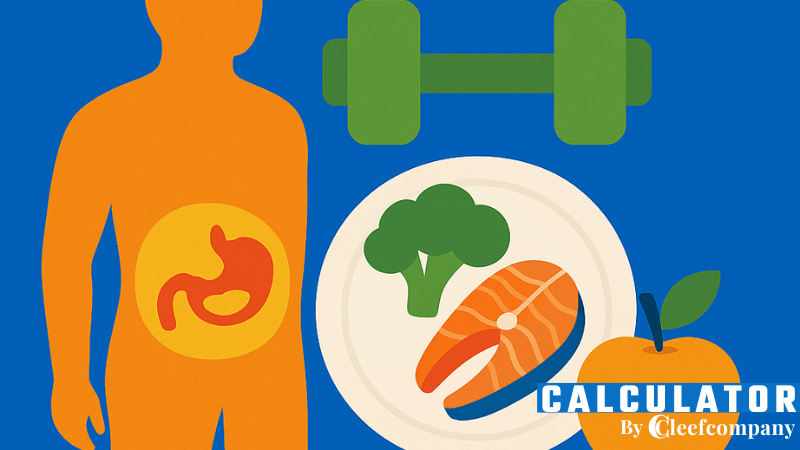
Diet to reduce visceral fat
Diet is one of the most determining factors in reducing visceral fat.
Adopting a balanced diet helps control metabolism, improve satiety, and reduce internal inflammation.
Recommended foods: fiber, lean proteins, and healthy fats
- Fiber.
Soluble fiber present in fruits, vegetables, oats and legumes helps regulate intestinal transit and control appetite.
Adequate consumption reduces the accumulation of fat in the abdomen. - Lean proteins.
White meats, fish, eggs, and legumes promote muscle repair and increase the feeling of satiety.
In addition, they accelerate energy expenditure in digestion. - Healthy fats.
Avocado, nuts, olive oil, and salmon provide essential fatty acids.
These fats improve cardiovascular health and help regulate insulin.
What to avoid: ultra-processed foods, alcohol, and added sugars
- Ultra-processed foods.
Snacks, cookies, and fried foods contain trans fats and additives that promote the accumulation of abdominal fat. - Alcohol.
It provides empty calories, increases inflammation, and makes it difficult to burn visceral fat. - Added sugars.
Soft drinks, processed juices, and desserts sharply raise glucose levels and promote insulin resistance.
Sample weekly menu to reduce visceral fat
A balanced menu should include variety and maintain an adequate calorie balance.
- Monday: Breakfast with oatmeal, berries, and natural yogurt. Lunch with salad and grilled chicken. Dinner with baked salmon and vegetables.
- Tuesday: Whole-wheat toast with avocado. Lentils with vegetables at lunch. Spinach omelet at night.
- Wednesday: Banana and spinach smoothie. Turkey breast with brown rice. Cream of pumpkin soup with white fish.
- Thursday: Scrambled eggs with tomato. Chickpea salad. Lean beef steak with broccoli.
- Friday: Natural yogurt with chia seeds. Whole-wheat pasta with tuna and vegetables. Chicken curry with basmati rice.
- Saturday: Whole-wheat bread with hummus. Quinoa and avocado salad. Grilled fish with steamed vegetables.
- Sunday: Protein shake with fruit. Healthy seafood paella. Oat crepes filled with ricotta and spinach.
Intermittent Fasting: Benefits and Precautions
Intermittent fasting involves alternating periods of eating with hours of fasting.
It has shown benefits in reducing visceral fat and improving insulin sensitivity.
- Benefits.
It promotes fat burning, improves appetite control, and can reduce inflammation. - Precautions.
Not suitable for people with certain medical conditions, pregnant women, or people with a history of eating disorders.
It should be implemented under supervision and in a progressive manner.
The role of hydration in reducing visceral fat
Water plays an essential role in metabolism and the elimination of toxins.
Proper hydration aids digestion, regulates body temperature, and helps control appetite.
Recommended amount of water per day
The general recommendation is to consume between 1.5 and 2.5 liters of water per day.
The exact amount depends on weight, physical activity, and climate.
A good indicator is to observe the color of the urine: the clearer it is, the better the level of hydration.
Healthy drinks that help reduce fat
- Water with lemon.
It aids digestion and provides vitamin C without additional calories. - Green tea infusions.
They contain antioxidants that stimulate fat burning and improve concentration. - Herbal water.
Chamomile, mint and ginger help reduce abdominal inflammation.
How to avoid fluid retention
- Reduce salt intake.
Excess sodium promotes swelling and fluid accumulation. - Increase potassium.
Foods like bananas, avocados, and spinach help balance fluids in the body. - Maintain constant hydration.
Drinking water regularly is more effective than consuming large amounts at once.
Advanced strategies to boost results
Once you've incorporated basic eating, exercise, and rest habits, there are additional strategies that can accelerate and consolidate visceral fat reduction.
These practices require consistency and, in some cases, professional supervision.
Natural supplements that promote fat loss
Some supplements can support the process, always as a complement to a balanced diet and not as a substitute.
- Green tea in capsules or extract.
It provides catechins, compounds that stimulate fat burning and improve energy. - Omega-3.
Present in fish oil or algae supplements, it helps reduce inflammation and boosts metabolism. - Protein powder.
It helps meet daily protein requirements, especially for active people looking to preserve muscle mass.
Hormonal control and medical check-ups
Hormonal balance plays a key role in managing visceral fat.
An imbalance in hormones such as insulin, cortisol, or thyroid can hinder progress.
- Periodic reviews.
A medical checkup allows for the detection of alterations and the adjustment of the plan in a personalized manner. - Laboratory analysis.
Evaluating glucose, lipid profile, and hormones is essential for an accurate diagnosis. - Medical intervention when necessary.
In some cases, hormonal treatment under specialized supervision may be advisable.
Planning realistic short- and long-term goals
Having clear goals keeps you motivated and makes it easier to measure progress in tangible ways.
- Short-term goals.
Reducing a few centimeters from your waist or increasing your weekly workouts are examples that can be achieved in just a few weeks. - Long-term goals.
Consolidating a healthy lifestyle and maintaining a stable weight should be the ultimate priority. - Constant monitoring.
Keeping track of your diet, exercise, and physical changes allows you to adjust your strategy and avoid plateaus.
Real cases and inspiring testimonies
Other people's experiences can serve as motivation for those looking to reduce their visceral fat.
Each story reflects that with discipline and perseverance, results are possible.
People who reduced their visceral fat with exercise
Many testimonials highlight how the gradual incorporation of walks, short runs, or gym routines marked a turning point.
An example is that of people who, in just a few months, reduced their abdominal circumference thanks to consistent cardio and strength training.
Transformations achieved through the right diet
A balanced diet has allowed many individuals to lose visceral fat without resorting to extreme diets.
Success stories show how replacing ultra-processed foods with fruits, vegetables, and lean proteins leads to visible changes in the abdomen.
Stories of overcoming by combining healthy habits
The greatest transformation usually occurs when exercise, good nutrition, rest, and stress management are combined.
There are stories of people who, after years of failed attempts, achieved lasting results by adopting a holistic approach to health.
Digital tools to support your process
Technology can become a key ally in reducing visceral fat.
There are apps and devices that help you organize workouts, control your diet, and measure your physical progress more accurately.
Training apps to lose visceral fat
- Freeletics.
It offers high-intensity routines tailored to each individual's level, ideal for burning abdominal fat. - Nike Training Club.
Includes free plans with strength, cardio, and mobility workouts to keep you motivated. - FitOn.
It allows access to virtual Pilates, yoga, and HIIT classes, combining variety and ease of use.
Calorie and nutrition tracking apps
- MyFitnessPal.
Makes food logging and calorie counting easy with a comprehensive nutritional database. - Yazio.
Offers personalized meal plans, macro tracking, and intermittent fasting options. - Chronometer.
It stands out for its precision in micronutrient analysis, useful for those who want more detailed control.
Smartwatches and activity monitors
- Apple Watch.
It measures heart rate, calories burned and allows you to record workouts with great accuracy. - Fitbit.
Ideal for monitoring steps, sleep quality, and daily activity levels, encouraging consistency. - Garmin.
Offers advanced metrics for runners and cyclists, such as VO2 max and training load.
These devices not only help measure progress, they also motivate by keeping a visual track of daily achievements.

🚀 Turn your visitors into real customers
Your numbers don't lie: If traffic is coming in but sales aren't growing, you need a different advertising strategy.
In Cleefcompany.com We transform clicks into sales with digital campaigns tailored to your needs.
Professional support in visceral fat reduction
Having professional guidance can make the difference between a failed attempt and a lasting change in habits.
Specialists offer personalized tools and ongoing support to help you safely achieve your goals.
When to consult a nutritionist
A nutritionist helps design a meal plan tailored to each person's needs.
- If there are previous illnesses such as diabetes or hypertension.
A poorly structured plan can make these conditions worse. - When self-diet attempts have not yielded results.
The professional adjusts the calories and nutrients precisely. - If you have any questions about supplements or specific strategies such as intermittent fasting.
Role of the personal trainer in the process
Exercise is essential for reducing visceral fat, and a personal trainer can optimize each session.
- Design routines tailored to your individual fitness level and goals.
- Teaches proper technique to prevent injury and improve results.
- Motivates and adjusts training progression according to the person's development.
Psychological counseling to maintain motivation
Mental health is a pillar in the loss of visceral fat.
A psychologist or wellness coach can help you maintain discipline and overcome emotional blocks.
- Offers techniques to manage anxiety and stress.
- It strengthens self-esteem and confidence in the process.
- It helps to set realistic goals and maintain long-term motivation.
Reliable online resources
Access to quality information is essential to avoiding myths and following science-backed strategies.
There are multiple digital platforms that can serve as a guide.
Blogs specializing in nutrition and exercise
- Blogs by certified nutritionists sharing recipes and practical advice.
- Pages dedicated to fitness with well-structured routines and training plans.
- Medical portals that publish articles based on scientific evidence.
YouTube channels with specific routines
- Functional training channels with cardio and strength routines to lose belly fat.
- Spaces dedicated to yoga and Pilates that help reduce stress and strengthen the core.
- Personal trainers who share free, comprehensive programs tailored to different levels.
Online courses to improve healthy habits
- Basic nutrition courses to learn how to plan balanced menus.
- Progressive training programs for beginners and advanced users.
- Comprehensive wellness workshops that combine nutrition, exercise, and emotional management.
Daily inspiration and motivation
Motivation is a key factor in maintaining habits that help reduce and maintain low levels of visceral fat.
Adopting small, positive routines and celebrating progress drives long-term consistency.
Habits of people with low visceral fat levels
- They maintain a balanced diet.
They prefer fresh foods, rich in fiber and protein, and avoid ultra-processed foods. - They practice physical activity constantly.
They don't necessarily do intense workouts, but they stay active daily. - They get enough sleep and manage stress.
Restful sleep and relaxation help regulate metabolism.
How to maintain discipline over the long term
- Establish realistic routines.
Small, sustainable changes are more effective than extreme, temporary efforts. - Use reminders and digital tools.
Training and nutrition apps help you stay focused. - Finding motivation in the community.
Sharing goals with family or friends strengthens commitment.
The importance of celebrating small achievements
Recognizing each step forward keeps you motivated and builds confidence in the process.
- Measure progress.
Monitoring abdominal girth or recording workouts allows you to see improvements. - Reward effort.
An active rest day or a special healthy meal can serve as an incentive. - Value the path.
Every step toward a healthier life counts, even if the results are gradual.
External tools and resources
There are platforms that combine innovation, consulting, and technology to support the reduction of visceral fat and the maintenance of healthy habits.
NippyLaunch.com: Innovation in healthy habits with digital support
NippyLaunch offers digital tools designed to create and sustain positive routines.
Its focus is on daily motivation, progress tracking, and building lasting habits.
CleefCompany.com: Personalized wellness consulting and strategies
CleefCompany specializes in wellness plans tailored to each individual.
Through professional counseling, she helps structure strategies that combine nutrition, exercise, and emotional health.
How these platforms can help you speed up your process
- They provide practical guides backed by experts.
- They facilitate goal tracking through interactive digital tools.
- They offer continuous motivation to avoid setbacks and sustain results over time.
Common mistakes when trying to reduce visceral fat
When trying to lose visceral fat, it's common to fall into ineffective practices that hinder progress.
Identifying these mistakes allows you to avoid them and move forward more quickly and healthily.
Doing only sit-ups without changing your diet
Many believe that abdominal exercises directly eliminate fat in that area.
However, visceral fat can only be reduced with a comprehensive approach that combines calorie deficit, cardiovascular exercise, and strength training.
Crunches strengthen your core, but they're no substitute for a balanced diet or total calorie burn.
Following extreme diets without supervision
Very restrictive diets promise quick results, but they are often unsustainable.
In many cases, they cause loss of muscle mass and a rebound effect when you abandon the plan.
Furthermore, without professional guidance, there is a risk of nutritional deficiencies that affect long-term health.
Lack of consistency in physical exercise
Exercising sporadically does not produce significant changes in visceral fat.
The key is consistency and maintaining a progressive routine that combines cardio and strength.
Lack of discipline in training frequency is one of the biggest obstacles to achieving visible results.
Neglecting rest and stress management
Poor sleep and high stress levels increase cortisol, a hormone that promotes the accumulation of abdominal fat.
Ignoring this aspect can negate the benefits of a good diet and exercise.
Prioritizing restful sleep and applying relaxation techniques is just as important as diet and physical activity.
🎯 Risk-Free Digital Advertising: 30 Days Free!
Want to experience how digital advertising can boost your business?
In CleefCompany.com We give you access to 30 days of free advertising campaigns, designed to show you real results before you invest.

🎯 Risk-Free Digital Advertising: 30 Days Free!
Want to experience how digital advertising can boost your business?
In CleefCompany.com We give you access to 30 days of free advertising campaigns, designed to show you real results before you invest.
Benefits of reducing visceral fat
Reducing visceral fat not only improves physical appearance.
It has a direct impact on disease prevention and improving overall well-being.
Prevention of cardiovascular diseases
Reducing visceral fat lowers blood pressure, LDL cholesterol, and triglycerides.
This protects the heart and blood vessels, reducing the risk of heart attack or stroke.
Better glucose and insulin control
Reducing abdominal fat improves insulin sensitivity.
This allows for better blood glucose management and helps prevent type 2 diabetes.
People with insulin resistance often notice significant improvements after losing visceral fat.
Increased energy and vitality
With less visceral fat, metabolism becomes more efficient.
This translates into greater daily energy, improved physical capacity, and less chronic fatigue.
Workouts become more effective and everyday tasks are performed with greater ease.
Better self-esteem and quality of life
Physical and health changes impact personal confidence.
Feeling lighter, more active, and healthier strengthens self-esteem and creates a more positive outlook on life.
In addition, the reduction of visceral fat is often accompanied by improvements in mood and social relationships.
Differences between men and women in visceral fat reduction
The process of losing visceral fat is not the same for both sexes.
Hormonal and metabolic factors influence how men and women respond to diet and exercise.
Hormonal factors that influence fat loss
- In men.
Testosterone levels facilitate fat loss, especially with strength training. - In women.
Estrogen influences fat distribution, promoting its accumulation in the hips and abdomen.
In addition, hormonal changes during menopause increase the tendency to accumulate visceral fat.
Gender-adapted strategies
- For men.
Combining strength and high-intensity cardio is often more effective at accelerating abdominal fat burning. - For women.
Focusing on progressive routines that include strength, moderate cardio, and stress management techniques helps offset hormonal changes.
Expected results at different times
In general, men tend to lose visceral fat faster due to their higher proportion of muscle mass.
It may take women longer, but they can achieve sustainable results with consistency and a plan tailored to their biology.
The difference is in the speed of the process, not in the possibility of success.
Reduction of visceral fat according to age
Age influences how the body accumulates and eliminates visceral fat.
Each stage of life requires a different approach to maintaining health and preventing complications.
Young people: prevention from an early age
In youth, it is easier to maintain low levels of visceral fat thanks to a faster metabolism.
However, bad habits from early on can increase the risk of accumulation.
- Practice sports regularly.
Exercise at this stage creates a solid foundation for future health. - Avoid excess ultra-processed foods and sugary drinks.
These products promote abdominal obesity from an early age. - Promote proper sleep routines.
Getting a good night's sleep helps regulate appetite hormones and metabolism.
Adults: Sustainable long-term habits
In adulthood, metabolism begins to slow down.
Therefore, maintaining healthy habits is key to preventing the accumulation of visceral fat.
- Adjust the power supply.
Choose moderate portions and prioritize lean protein and fiber. - Combine cardio and strength.
Mixed training maintains muscle mass and facilitates energy expenditure. - Managing work and personal stress.
Regulating cortisol is crucial to preventing the increase in abdominal fat.
Over 50: special precautions and care
With advancing age, loss of muscle mass and hormonal changes facilitate the accumulation of visceral fat.
Additionally, medical conditions may require a more careful plan.
- Adapted exercise.
Walking, Pilates, yoga, or light weights help you stay active without overtaxing your body. - Nutrient-rich diet.
A diet with sufficient calcium, protein and antioxidants is recommended to protect bones and muscles. - Frequent medical check-ups.
It is important to monitor glucose, cholesterol and blood pressure regularly.
Myths and realities about visceral fat
There are many misconceptions surrounding visceral fat that can make it difficult to reduce.
Differentiating between myths and truths is key to moving forward with effective strategies.
“Only obese people have visceral fat”
Myth.
Even people of normal weight can accumulate visceral fat.
This is especially true if they lead a sedentary lifestyle or have a genetic predisposition.
“Supplements help you eliminate visceral fat quickly.”
Myth.
No single supplement eliminates belly fat.
They only work as support within a plan that includes a balanced diet and consistent exercise.
“Flat abs mean no visceral fat.”
Myth.
A person can have a flat abdomen and still accumulate fat around the internal organs.
Therefore, the best way to measure it is with medical studies or abdominal circumference, not just physical appearance.
Recommended books on Amazon on how to reduce visceral fat
Reading specialized books can provide practical knowledge and extra motivation to achieve your health goals.
Some well-known titles address the topic from the perspective of nutrition, fasting, and healthy habits.
The Glucose Revolution – Jessie Inchauspé
This book explains how glucose spikes affect metabolism and fat accumulation.
Provides practical strategies to balance blood sugar levels and improve daily energy.
Lose Fat, Gain Life – Michael Matthews
A complete guide to training, nutrition, and motivation for losing body fat, including visceral fat.
The author combines scientific foundations with advice applicable to everyday life.
Intermittent Fasting for Beginners – Jason Fung
A reference on the subject of intermittent fasting.
The book clearly explains how this strategy can help reduce abdominal fat and improve metabolic health.
Frequently Asked Questions about how to reduce visceral fat
Below are clear answers to the most common questions related to visceral fat reduction.
What is the fastest way to reduce visceral fat?
There are no safe shortcuts.
The most effective way is to combine caloric deficit, regular exercise and stress management.
How long does it take to see results?
With discipline, the first changes can be observed in 6 to 8 weeks.
The exact time depends on age, initial fat level, and consistency of habits.
Does intermittent fasting work for everyone?
No.
It is a useful strategy for many people, but it is not recommended in cases of advanced diabetes, pregnancy, or eating disorders.
It should always be applied under professional supervision.
What types of exercises are most effective?
The most effective are regular cardio, strength training, and HIIT routines.
The combination of these methods accelerates the burning of visceral fat.
Can visceral fat come back after losing it?
Yeah.
If unhealthy habits are resumed, visceral fat can accumulate again.
The key is to maintain a balanced lifestyle over the long term.
Is it possible to reduce visceral fat without a gym?
Yeah.
Walking, running outdoors, doing routines at home, and playing sports also help reduce abdominal fat.
What role does genetics play in the accumulation of visceral fat?
Genetics influences the tendency to accumulate fat in the abdomen.
However, diet, exercise, and stress management are determining factors that can counteract this predisposition.
Do fat burning supplements really work?
They do not eliminate fat on their own.
Some, such as caffeine or green tea, can support metabolism, but they should always be accompanied by diet and exercise.
How does alcohol affect visceral fat?
Alcohol provides empty calories and promotes the accumulation of fat in the abdomen.
In addition, it interferes with metabolism and makes it difficult to burn fat.
Can you measure visceral fat at home?
Not exactly.
Only medical methods such as MRI, CT or DEXA offer accurate results.
At home, waist circumference is a useful reference for estimating risk.


 English
  Spanish
0 Comments