
Did you know that you can have a flat stomach and still accumulate a type of fat that silently increases your risk of serious diseases?
Visceral fat isn't the fat visible beneath the skin, but rather the fat that surrounds internal organs and disrupts vital body processes. Unlike other fatty deposits, its metabolic and hormonal impact makes it a decisive factor in health and longevity.
Understanding what it is, how it's measured, what causes it, and what habits help control it can make the difference between living with energy or facing chronic complications. In this article, you'll discover everything you need to know to take control of your well-being from the root.
Visceral Fat Calculator
Discover How Our Agency Can Boost Your Online Sales
Digital Advertising – Attract your target audience with effective advertising strategies.
Content Marketing – We create impactful content that captures attention and generates sales.
Conversion Optimization – Maximize your ROI with campaigns designed to convert.
The importance of understanding body fat
Understanding what body fat is and how it works in the body is essential for health.
Fat isn't just an energy store. It performs vital functions such as protecting organs, regulating temperature, and producing hormones necessary for metabolic balance.
However, when it accumulates in excess, it can become a risk factor for chronic diseases such as type 2 diabetes, hypertension, and cardiovascular problems.
Understanding the type, amount, and distribution of body fat allows you to make more informed decisions about diet, exercise, and lifestyle.
Difference between weight, body mass index and body composition
Although they are often confused, each of these indicators measures different aspects of physical health.
- Body weight: Refers to the total number that the scale shows.
It does not differentiate between muscle mass, fat, bone or water.
Example: Two people with the same weight can have very different levels of body fat. - Body Mass Index (BMI): It is a formula that relates weight to height.
It is used as a general reference to classify underweight, normal weight, overweight and obesity.
Example: A person with a high level of muscle mass can have a high BMI without having excess fat. - Body composition: It is the most accurate analysis.
Differentiate the proportion of fat, muscle, bone and water in the body.
It allows you to know your weight and detect risks associated with excess fat even if your BMI is normal.
Understanding these differences helps you better interpret measurements and not rely solely on the number on the scale.
Why visceral fat deserves special attention
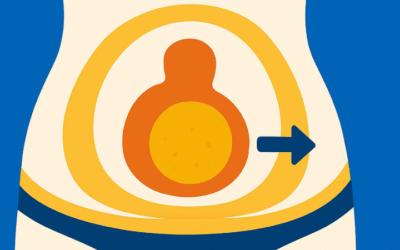
Visceral fat is the fat that accumulates around the internal organs in the abdominal area.
Unlike subcutaneous fat, which is located beneath the skin, visceral fat is metabolically more active and can release inflammatory substances that affect the body.
- Cardiovascular risk: Increases the likelihood of hypertension, heart attacks and strokes.
- Insulin resistance: It promotes the development of type 2 diabetes due to the alteration in glucose metabolism.
- Hormonal problems: Interferes with the production and regulation of hormones that control appetite and energy expenditure.
Controlling visceral fat is key to maintaining good metabolic health and reducing the risk of serious diseases.
Visceral fat: what exactly is it?
Visceral fat is one of the most important types of adipose tissue for health.
It's not the fat that's visible under the skin, but rather the fat that surrounds vital organs and can disrupt the body's normal functioning.
Knowing their characteristics allows us to identify risks and take preventive measures.
Medical definition of visceral fat
Medically, visceral fat is defined as adipose tissue that accumulates in the abdominal cavity.
It is deposited around organs such as the liver, pancreas, intestines and kidneys.
Unlike subcutaneous fat, visceral fat is more metabolically active, meaning it releases fatty acids and pro-inflammatory hormones that affect metabolism and increase the risk of chronic diseases.
Where it is located in the body and how it is formed
Visceral fat develops in the inner part of the abdomen.
It is not directly visible, but can be detected through medical studies such as MRIs, CT scans, or body composition analysis.
Its formation depends on multiple factors that influence the body's energy and hormonal balance.
Genetic factors
Genetic predisposition influences how and where fat accumulates.
Some people tend to concentrate it in the abdominal area even without having obvious excess weight.
This is due to the way the body distributes energy and stores excess calories.
Sedentary lifestyle
Lack of physical activity reduces energy expenditure and encourages excess calories to be converted into fat deposits.
Furthermore, a sedentary lifestyle is linked to insulin resistance, which accelerates the accumulation of visceral fat.
Example: People who spend most of the day sitting are at greater risk of accumulating this type of fat even if they don't overeat.
Diet high in fat and sugar
A diet rich in ultra-processed foods, refined sugars, and saturated fats promotes the accumulation of visceral fat.
Excess glucose in the blood is transformed into triglycerides that are stored around the organs.
Recommendation: Prioritize natural foods such as fruits, vegetables, legumes, and lean proteins to reduce the risk of forming this type of fat.
Difference between visceral fat and abdominal fat
Although they are often confused, they are not the same.
- Abdominal fat: a general term referring to all fat accumulated in the abdomen, including subcutaneous and visceral fat.
- Visceral fat: It's just a portion of abdominal fat. It's located deep inside the body, surrounding the internal organs.
For example, a person may have a bulging abdomen due to subcutaneous fat without high levels of visceral fat, while another person with a flat stomach may have internal deposits that pose a greater health risk.
Function of visceral fat in the body
Visceral fat is not always negative.
In adequate quantities it performs essential functions for the correct balance of the body.
The problem arises when excess tissue accumulates and transforms from a protective tissue into a health risk factor.
Protective and metabolic functions in small amounts
At normal levels, visceral fat helps maintain the body's internal stability.
- Protection of internal organs: It acts as a kind of cushion that absorbs shocks and protects vital structures such as the liver, kidneys, or pancreas.
- Energy reserve: Stores energy in the form of triglycerides that can be used during periods of fasting or physical exertion.
- Hormonal regulation: Releases hormones and adipokines that participate in the regulation of appetite, energy expenditure and glucose metabolism.
The risk when it accumulates excessively
When visceral fat exceeds healthy levels, it becomes inflammatory and metabolically harmful tissue.
It produces substances that alter blood pressure, insulin sensitivity, and the function of vital organs.
This role shift is what makes it a silent risk factor for chronic diseases.
Consequences of having too much visceral fat
Excess visceral fat has a direct impact on multiple body systems.
It affects cardiovascular, metabolic, and hormonal health, in addition to reducing life expectancy and quality of life.
Cardiovascular risk
Visceral fat increases the release of inflammatory compounds that promote plaque buildup in the arteries.
This increases the likelihood of hypertension, heart attacks and strokes.
Example: People with abdominal obesity have a higher cardiovascular risk even when their cholesterol appears to be within normal ranges.
Relationship with insulin resistance and type 2 diabetes
Excess visceral fat alters the way the body uses glucose.
It creates insulin resistance, which forces the pancreas to produce more of this hormone.
Over time, this process can lead to prediabetes and type 2 diabetes.
Hormonal and metabolic problems
Visceral fat produces adipokines that affect hormonal balance.
This can lead to increased appetite, reduced energy expenditure, and increased fat accumulation.
In addition, it interferes with the function of sex hormones, which can alter fertility and the menstrual cycle in women.
Impact on the liver and appearance of fatty liver
One of the organs most affected by visceral fat is the liver.
Excess triglycerides accumulate in your cells, generating what is known as non-alcoholic fatty liver disease.
This condition can progress to inflammation, fibrosis, and even cirrhosis if not controlled in time.
Effects on longevity and quality of life
Having high levels of visceral fat is associated with a shorter life expectancy.
Diseases resulting from excess alcohol affect mobility, energy, and overall well-being.
For example, a person with elevated visceral fat may frequently feel tired, have difficulty sleeping, and have decreased physical performance, which directly impacts their quality of life.
How to measure visceral fat in a practical way
There are different methods to evaluate the amount of visceral fat in the body.
Some are clinical and highly accurate, while others are more accessible for frequent monitoring at home.
Measurement by magnetic resonance imaging and CT (clinical method)
Magnetic resonance imaging (MRI) and computed tomography (CT) are the most accurate methods for detecting and quantifying visceral fat.
They allow obtaining detailed images of the abdominal cavity and differentiating visceral from subcutaneous fat.
Its disadvantage is the high cost and the need to go to a specialized medical center.
Therefore, they are mainly used in clinical studies or when there is a high risk of associated diseases.
Electrical bioimpedance in smart scales
Bioimpedance scales send a very weak electrical current through the body to estimate body composition.
Some advanced models allow you to calculate an approximate visceral fat index.
It's a practical and accessible tool for tracking at home, although results may vary depending on factors such as hydration, time of day, and device quality.
Recommendation: Always use the scale under similar conditions to obtain more consistent measurements.
Tape measure and waist-hip ratio as a home method
Measuring abdominal circumference with a tape measure is a simple and useful method for estimating visceral fat accumulation.
The waist is measured at the level of the navel and compared with the hip measurement.
- In men, a waist circumference greater than 94 cm indicates risk.
- In women, a value greater than 80 cm indicates excess abdominal fat.
The waist-hip ratio is another practical indicator:
- In men, a value greater than 0.90 is a sign of risk.
- In women, a value greater than 0.85 represents a danger to metabolic health.
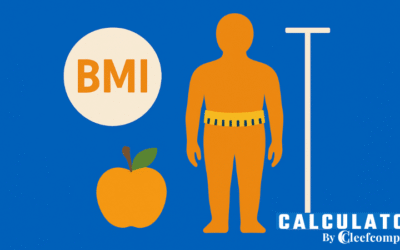
Body mass index (BMI) and its limitations
BMI is a rapid method that relates weight and height, but does not distinguish between subcutaneous fat, visceral fat, or muscle mass.
A person with a normal BMI may have high levels of visceral fat, which is known as “metabolically obese with normal weight.”
Therefore, although BMI is useful as a general reference, it should not be considered the only indicator.
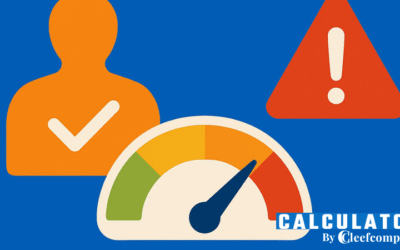
Healthy reference values
Maintaining low levels of visceral fat is key to reducing the risk of disease.
- According to bioimpedance scales, a visceral fat index between 1 and 12 is considered healthy.
- Values greater than 13 indicate excess and a greater probability of complications.
- In clinical measurements, visceral fat should ideally not exceed 10 % of total body fat.
Regularly monitoring these values allows for timely action and prevention of long-term health problems.
Factors that influence the accumulation of visceral fat
The increase in visceral fat does not depend on a single element.
It is a multifactorial process influenced by biological, behavioral and environmental aspects.
Understanding these factors allows us to identify risks and take preventive measures.
Genetics and family predisposition
Genetics plays a key role in how the body stores fat.
Some people are more prone to accumulating fat in their abdominal area, even if their overall body weight is normal.
Additionally, a family history of obesity, type 2 diabetes, or cardiovascular problems increases the likelihood of developing excess visceral fat.
Unbalanced diet
A diet high in refined sugars, saturated fats, and ultra-processed foods promotes the accumulation of visceral fat.
Excess calories are converted into triglycerides, which are stored around internal organs.
Example: Regular consumption of sugary soft drinks or processed pastries increases the risk of accumulating this type of fat.
Chronic stress and cortisol
Prolonged stress stimulates the release of cortisol, the hormone associated with the body's alert response.
High levels of cortisol promote the storage of fat in the abdominal area.
In addition, stress is often accompanied by bad habits such as overeating, insufficient sleep, or consuming too much sugar, which exacerbates the problem.
Lack of physical exercise
Inactivity reduces energy expenditure and makes it easier for excess calories to be stored as visceral fat.
Regular exercise not only helps burn calories, but also improves insulin sensitivity and reduces inflammation.
Recommendation: Combine cardiovascular training with strength exercises to achieve better results in reducing abdominal fat.
Alcohol and tobacco consumption
Alcohol provides empty calories that quickly turn into fat deposits around the liver and other organs.
Tobacco, for its part, alters metabolism and is associated with greater accumulation of visceral fat even in people of normal weight.
Example: the classic “beer belly” is a manifestation of the effect of alcohol on the formation of visceral fat.
How to reduce visceral fat effectively
Reducing visceral fat requires a comprehensive approach that combines a balanced diet, physical activity, rest, and stress management.
It's not about quick changes, but about adopting sustainable habits that generate lasting results.

Evidence-based nutritional strategies
Diet is the fundamental pillar for reducing visceral fat.
- Prioritize fresh and natural foods: fruits, vegetables, legumes, lean proteins and healthy fats such as avocado, olive oil or nuts.
- Reduce refined and ultra-processed sugars: Cookies, soft drinks, pastries and fast foods promote the accumulation of abdominal fat.
- Increase fiber: Improves satiety, regulates blood sugar, and helps reduce visceral fat. Examples: oats, legumes, and green leafy vegetables.
- Control portion sizes: Eating consciously prevents excess calories that the body transforms into fat deposits.
Aerobic exercise vs. strength training
Both types of exercise are effective in reducing visceral fat, but they act in a complementary manner.
- Aerobic exercise: Activities such as brisk walking, running, swimming, or cycling help burn calories and improve cardiovascular health.
- Strength training: increases muscle mass, which increases energy expenditure even at rest. Examples: weights, bodyweight exercises, or elastic resistance.
Combining both workouts offers better results than choosing just one.
Restful sleep as a key factor
Getting 7 to 9 hours of quality sleep each night promotes hormonal and metabolic balance.
Lack of sleep increases levels of cortisol and ghrelin, hormones that increase appetite and the accumulation of visceral fat.
Recommendation: Maintain regular bedtimes, avoid screens before bed, and create a dark, quiet environment in your bedroom.
Stress management and relaxation techniques
Stress management is essential to prevent increased cortisol and its effects on abdominal fat.
- Meditation and mindfulness: reduce anxiety and improve mental focus.
- Deep breathing: helps reduce tension in just a few minutes.
- Relaxing activitiesReading, listening to music, practicing yoga, or spending time in nature are all allies against chronic stress.
Sustainable long-term lifestyle habits
The key isn't strict diets or extreme routines, but rather creating a balanced lifestyle.
- Establish a healthy eating routine.
- Maintain regular physical activity adapted to personal preferences.
- Avoid excessive consumption of alcohol and tobacco.
- Promote social relationships and activities that contribute to well-being.
Adopting these habits gradually ensures that the reduction of visceral fat is effective and sustained over time.
Medical treatments and professional support
In some cases, lifestyle changes are not enough to control visceral fat.
Medical intervention and specialist support can make a difference in preventing and treating associated complications.
When to see a specialist
It is advisable to seek professional help when:
- There is a family history of type 2 diabetes, hypertension or cardiovascular disease.
- The abdominal perimeter exceeds the risk values (94 cm in men and 80 cm in women).
- Symptoms such as excessive fatigue, difficulty losing weight, or changes in glucose and cholesterol levels may occur.
The doctor may order specific tests and design a personalized intervention plan.
Medication and complementary therapies
In some cases, the specialist may prescribe medications to help control glucose, cholesterol, or blood pressure levels.
These treatments do not directly eliminate visceral fat, but they do reduce the negative effects it has on the body.
Supplements or complementary therapies may also be recommended, always under medical supervision.
Example: metformin in patients with insulin resistance or supervised clinical nutrition programs to improve body composition.
Bariatric surgery in extreme cases
Bariatric surgery is considered when there is severe obesity and visceral fat poses a serious health risk.
Procedures such as gastric bypass or sleeve gastrectomy reduce the stomach's capacity and alter the way the body processes nutrients.
This facilitates significant weight loss and a noticeable reduction in visceral fat.
This is an extreme measure, indicated only when conventional methods have not worked and the patient has serious complications such as advanced diabetes or sleep apnea.
Tools and technologies to control visceral fat
Technology can be a great ally in controlling visceral fat.
Apps, devices, and digital tools make it easy to track your diet, physical activity, and body composition, providing motivation and helping you stay consistent.
Health and nutrition mobile apps
Health apps allow you to record food intake, calculate calories, and analyze the quality of your diet.
- Calorie counters: help identify energy excesses and improve portion control.
- Food diaries: allow you to detect unhealthy patterns and replace them with more balanced choices.
- Personalized nutrition assistants: They offer plans tailored to goals such as reducing abdominal fat or improving physical performance.
Fitness Tracking Devices
Smartwatches and bracelets are useful tools for increasing motivation and measuring progress.
- They record steps, calories burned and heart rate.
- They allow you to set daily movement goals.
- They warn about periods of prolonged inactivity.
Example: Walking 10,000 steps a day can make a big difference in reducing visceral fat over the long term.
Using smart scales
Bioimpedance scales offer an approximate analysis of body composition.
In addition to weight, they show estimates of muscle mass, fat percentage, and in some models, the visceral fat index.
If used regularly and under similar conditions, they can detect changes over time and adjust your diet and exercise plan.
Testimonials and real cases of visceral fat reduction
Testimonials show that it is possible to reduce visceral fat with both lifestyle changes and clinical support.
Learning about real-life experiences motivates and reinforces the importance of perseverance.
People who achieved it with changes in habits
Many cases show that a combination of a balanced diet, regular exercise, and stress management achieves visible results within a few weeks.
Example: People who cut down on soda and fast food, added daily walks, and managed to lose several inches off their waist in three months.
Supervised clinical transformations
In other cases, medical intervention was key.
Patients with obesity and high levels of visceral fat have achieved significant improvements thanks to clinical nutrition programs, medication, or even bariatric surgery.
These cases reinforce that, with professional support, it is possible to reverse risky situations and restore metabolic health.
Boost your health and your digital business with strategic allies
On the path to a healthier and more balanced life, you can also boost your personal and professional growth.
👉 In NippyLaunch.com You will find solutions to launch digital projects quickly and efficiently.
👉 In CleefCompany.com You will discover how to scale online businesses with proven strategies.
Just as taking care of your body requires consistency, growing your digital brand requires reliable tools and a clear plan.
Common myths about visceral fat
There are many misconceptions that make it difficult to understand how visceral fat actually works.
Clarifying them is key to making the right decisions in health care.
“If I'm thin, I don't have visceral fat.”
Being thin does not guarantee the absence of visceral fat.
People of normal weight may have internal fat deposits around the organs, which is known as metabolically obese obesity with normal weight.
Therefore, it is important to evaluate body composition and not just look at the scale.
“Exercise alone eliminates visceral fat”
Exercise is essential, but it is not enough on its own.
Without proper nutrition and stress management, visceral fat reduction will be limited.
Example: Running regularly, but maintaining a diet rich in sugars and alcohol, does not guarantee good results.
“Miracle diets are the solution”
Restrictive and fad diets can lead to rapid weight loss, but not specific weight loss of visceral fat.
In addition, they often cause a rebound effect and damage the metabolism.
Scientific evidence shows that a balanced, sustainable diet accompanied by regular exercise is most effective.
Differences between men and women in the accumulation of visceral fat
The way men and women accumulate visceral fat is not the same.
Hormones and the natural distribution of body fat directly influence these patterns.
Hormonal factors
Sex hormones play a key role in how fat is stored.
- In women, estrogens promote the accumulation of subcutaneous fat in the hips and thighs, which protects against excess visceral fat during the fertile stage.
- In men, testosterone influences a greater tendency to accumulate fat in the abdominal area.
After menopause, the decrease in estrogen increases the risk of visceral fat accumulation in women, bringing their profile closer to that of men.
Differences in fat distribution
The distribution of body fat is different between both sexes.
- Men: tend to develop an android pattern, with more fat in the abdomen, which increases cardiovascular risk.
- Women: They present a gynoid pattern, with greater accumulation in the buttocks and thighs, although this pattern changes with age and menopause.
These differences explain why, on average, men tend to have higher levels of visceral fat than women of reproductive age.
Visceral fat and aging
The passing of the years modifies the way the body stores and manages fat.
With age, muscle mass decreases and the propensity to accumulate visceral fat increases, even if overall weight does not change significantly.
How body composition changes with age
From the age of 40, the metabolic rate decreases and the body expends fewer calories at rest.
The progressive loss of muscle mass (sarcopenia) causes excess energy to be converted into fat, with preference for visceral fat.
In addition, hormonal changes in men and women increase accumulation in the abdominal area.
Preventive strategies for older adults
Preventing visceral fat in older adults requires a tailored approach.
- Regular exercise: combine strength training to preserve muscle mass with low-impact aerobic activities such as walking or swimming.
- Nutrient-rich diet: Prioritize lean protein, fiber, and healthy fats to keep your metabolism active and prevent muscle loss.
- Adequate rest: : Getting a good night's sleep helps regulate hormones related to appetite and metabolism.
- Periodic medical check-ups: Perform glucose, cholesterol, and blood pressure checks to detect potential complications associated with visceral fat in time.
Relationship between stress and visceral fat
Stress is a silent factor that directly influences the accumulation of visceral fat.
When maintained for a long time, it alters hormonal balance and promotes energy storage in the abdominal area.
The role of cortisol
Cortisol, known as the “stress hormone,” is released in situations of physical or emotional stress.
At high and constant levels, it stimulates the appetite, especially for foods rich in sugars and fats.
In addition, it promotes the storage of fat in the abdominal cavity, increasing visceral deposits.
This explains why many people gain belly fat during periods of anxiety or chronic stress.
Stress management techniques
Reducing stress levels is key to avoiding excess cortisol and its effects on visceral fat.
- Mindfulness and meditation: help focus the mind and reduce anxiety.
- Physical exercise: releases endorphins that counteract the effect of cortisol.
- Deep breathing: Practicing slow, controlled breathing calms the nervous system in minutes.
- Leisure time: Spending time on pleasurable activities such as reading, listening to music, or walking outdoors improves well-being.
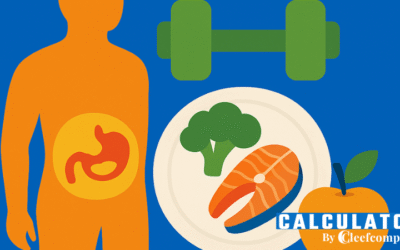
Foods that help fight visceral fat
Diet can be a powerful tool to reduce inflammation and regulate metabolism.
Certain foods promote visceral fat loss and metabolic health.
Foods rich in fiber
Soluble fiber delays glucose absorption, improves satiety, and helps reduce abdominal fat accumulation.
Example: oats, legumes, apples, carrots and chia seeds.
Consuming at least 25 to 30 grams of fiber a day is a recommended habit to maintain a healthier abdomen.
Healthy fats and omega-3
Healthy fats, found in foods like avocado, olive oil, and nuts, help control inflammation.
Omega-3 fatty acids, found in fish such as salmon, sardines, and mackerel, improve insulin sensitivity and reduce the risk of visceral fat accumulation.
Recommendation: include oily fish twice a week and a handful of nuts daily.
Recommended drinks and natural infusions
Maintaining good hydration is essential for metabolism.
- Water: the best option to promote the elimination of toxins and maintain water balance.
- Green tea: Rich in antioxidants, it stimulates metabolism and helps burn fat.
- Ginger or cinnamon infusions: They have digestive and anti-inflammatory properties that support the reduction of abdominal fat.
Avoiding sugary and alcoholic beverages is essential to prevent the accumulation of visceral fat.
Most effective exercises to reduce visceral fat
Physical activity is one of the most effective methods to combat visceral fat.
The key is to combine different types of training that activate the metabolism and promote calorie burning.
Moderate cardio and intervals (HIIT)
Cardiovascular exercise improves heart health and helps reduce abdominal fat deposits.
- Moderate cardio: walk briskly, jog steadily, swim, or cycle for at least 30 minutes, 5 times a week.
- HIIT trainingAlternate short periods of high intensity with active breaks. Example: 30 seconds of sprints followed by 1 minute of brisk walking.
HIIT is especially effective for burning visceral fat in less time.
Strength training and its metabolic impact
Strength training not only strengthens muscles, it also accelerates basal metabolism.
This means that the body continues to burn calories even at rest.
Example: weightlifting, resistance band exercises, or bodyweight routines such as squats and push-ups.
By increasing muscle mass, it promotes long-term reduction of visceral fat.
Complementary activities such as yoga and pilates
Yoga and Pilates don't burn as many calories as cardio or strength training, but they have very important indirect benefits.
- They improve posture and flexibility.
- They reduce stress, which helps control cortisol levels.
- They promote mind-body connection and deep breathing.
Integrating them into your weekly routine boosts results and improves overall well-being.
Prevention: How to keep visceral fat from coming back
Reducing visceral fat is important, but maintaining long-term results is even more important.
Prevention is achieved with consistent and sustainable habits.
Mindful eating habits
Mindful eating involves paying attention to your hunger and satiety signals, avoiding eating out of anxiety or inertia.
Practical recommendations:
- Eat slowly and without distractions.
- Prioritize natural and nutrient-rich foods.
- Avoid excessive snacking between meals.
Sustainable exercise routine
The most important thing is to maintain physical activity as a lifestyle habit and not as a temporary effort.
- Find activities that are enjoyable to ensure consistency.
- Alternate cardio, strength, and relaxing activities like yoga.
- Maintain a minimum of 150 minutes of moderate activity per week.
Long-term weight control
Regular follow-up is key to preventing the reappearance of visceral fat.
- Check your waist circumference periodically.
- Use bioimpedance scales to monitor body composition.
- Perform medical checkups to monitor glucose, cholesterol, and blood pressure.
Constant monitoring allows for early detection of changes and timely action.
Recommended books on Amazon about visceral fat and metabolic health
Reading specialized books is an excellent way to delve deeper into the subject and better understand how the body works.
Sylvia Tara's Body Fat Paradox
This book explains the role of fat in the body from a scientific and accessible perspective.
The author debunks myths and shows how factors such as genetics and hormones influence the accumulation of visceral fat.
The Obesity Code by Jason Fung
Dr. Jason Fung discusses the role of insulin in weight gain and explains how diet and intermittent fasting can help reduce visceral fat.
It is a highly valued resource for understanding the connection between metabolism, diet, and health.
Why We Get Fat by Gary Taubes
Gary Taubes examines the real causes behind increased body fat.
It presents evidence on how certain eating habits and metabolic patterns influence visceral fat accumulation more than calorie counting.
It is a recommended book for those seeking to understand the biological mechanisms of overweight and obesity.
Frequently Asked Questions about Visceral Fat
What exactly is visceral fat and where does it accumulate?
Visceral fat is the adipose tissue that is stored in the abdominal cavity.
It is found surrounding internal organs such as the liver, intestines, pancreas and kidneys.
Why is visceral fat more dangerous than subcutaneous fat?
Because it is metabolically more active.
It releases hormones and inflammatory substances that increase the risk of diseases such as type 2 diabetes, hypertension, and cardiovascular problems.
What is the recommended level of visceral fat?
In clinical measurements, it should not exceed 10 % of total body fat.
On bioimpedance scales, an index between 1 and 12 is considered healthy, while values above 13 indicate risk.
Can I have visceral fat even if I'm of normal weight?
Yeah.
It is possible to have internal fat deposits even if your weight and BMI are normal.
This phenomenon is known as “metabolically obese obesity with normal weight.”
What type of exercise best eliminates visceral fat?
The most effective are cardiovascular exercise combined with strength training.
He HIIT (high intensity interval training) offers fast results, while weight lifting helps boost metabolism and prevent its return.
Is it true that stress increases visceral fat?
Yeah.
Chronic stress raises cortisol levels, which promotes fat storage in the abdominal area.
What foods should I avoid if I want to reduce it?
It is recommended to reduce consumption of:
- Refined sugars.
- Soft drinks and alcoholic beverages.
- Ultra-processed and fried foods.
- White flour and industrial pastries.
Do smart scales accurately measure visceral fat?
They are a useful tool for tracking, but they are not 100% accurate.
Factors such as hydration or time of day can alter the results.
The most accurate methods remain magnetic resonance imaging and tomography.
How long does it take to reduce it with healthy habits?
It depends on each person.
With a balanced diet, regular exercise, and stress management, the first changes can be observed within 8 to 12 weeks.
Can visceral fat be completely eliminated?
It is not completely eliminated, since in small quantities it performs protective and metabolic functions.
The goal is not to eliminate it, but to maintain it at healthy levels to prevent health risks.
Conclusion
Visceral fat is much more than a cosmetic problem: it's a silent marker of metabolic and cardiovascular risk. Learning to identify, measure, and reduce it with sustainable strategies for nutrition, exercise, rest, and stress management is key to protecting your long-term health.
It's not about eliminating it completely, but rather maintaining it at healthy levels so that it fulfills its protective function without becoming a threat.
Now the question is: what habit do you plan to implement first to keep your visceral fat under control and improve your health from the inside out?


 English
  Spanish
0 Comments